Leather has been a cornerstone of fashion, upholstery, and accessories for centuries. However, as the world shifts toward more sustainable practices, it’s essential to look at how the leather industry is evolving. In this blog, we’ll explore the differences between vegetable-tanned leather and chrome-tanned leather, emphasizing the environmental benefits, durability, and overall sustainability of vegetable tanning.
What is Vegetable-Tanned Leather?
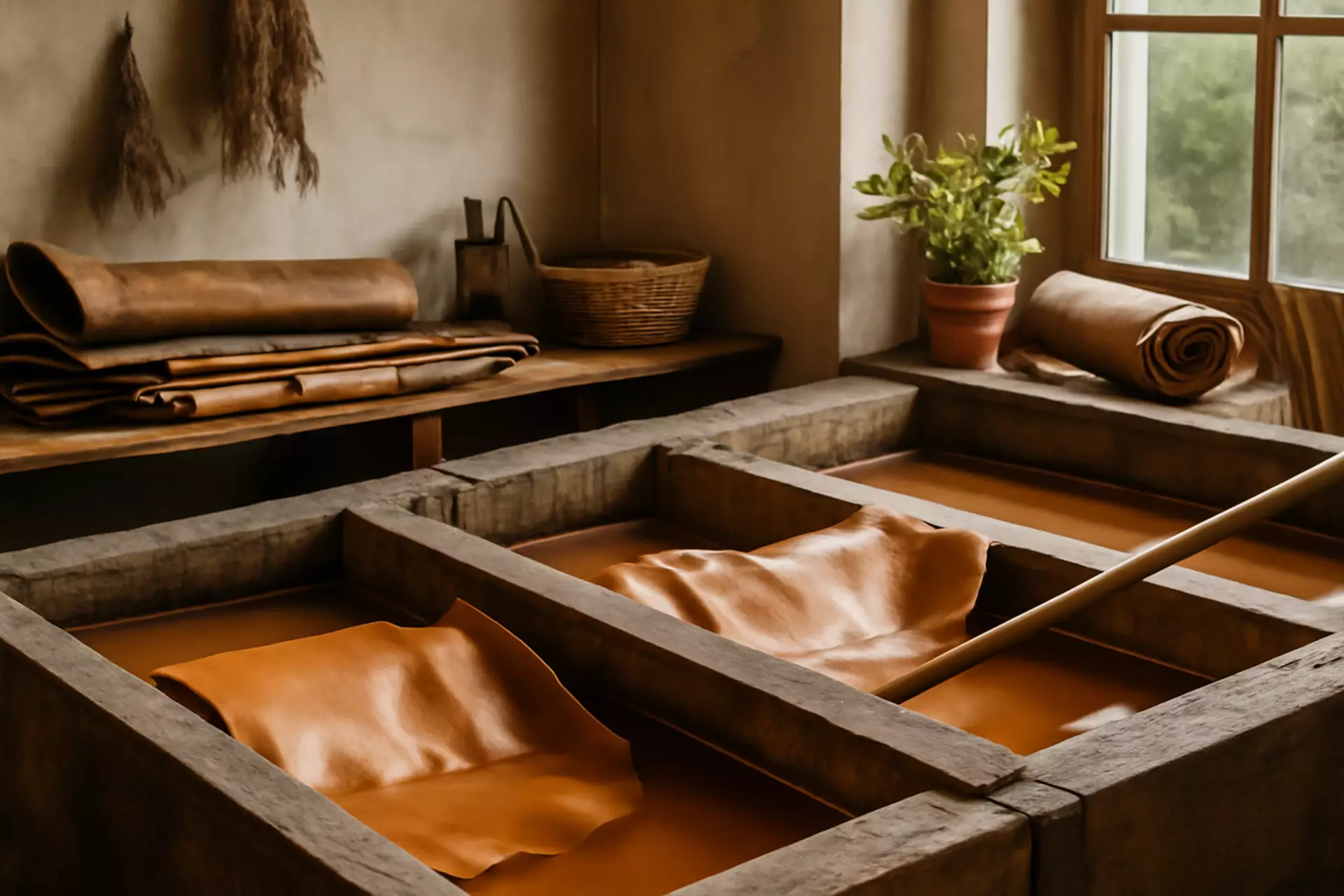
Vegetable tanning is an ancient method that uses natural plant-based tannins to treat leather. These tannins, which come from tree barks, fruits, and other plant materials, bind to the collagen fibers in the hide, preserving it and making it both flexible and durable. Unlike chrome tanning, which uses synthetic chemicals, vegetable tanning is far more eco-friendly and sustainable, making it the ideal choice for eco-conscious brands and consumers.
Sustainable Leather Choices
Discover the difference between vegetable-tanned leather and chrome leather, focusing on sustainability, durability, and quality.
Leather Durability & Aging
Vegetable-tanned leather is durable and ages beautifully, developing a unique patina over time, unlike chrome-tanned leather.
Plant-Based Health Benefits
Vegetable-tanned leather is safer and free from harmful chemicals, making it a perfect choice for skin-contact products.
Leather Tanning Process
Learn about the slow, natural process of vegetable tanning vs. the fast chrome tanning method and their impact on leather quality.
Key Differences Between Vegetable and Chrome-Tanned Leather
Environmental Impact and Sustainability
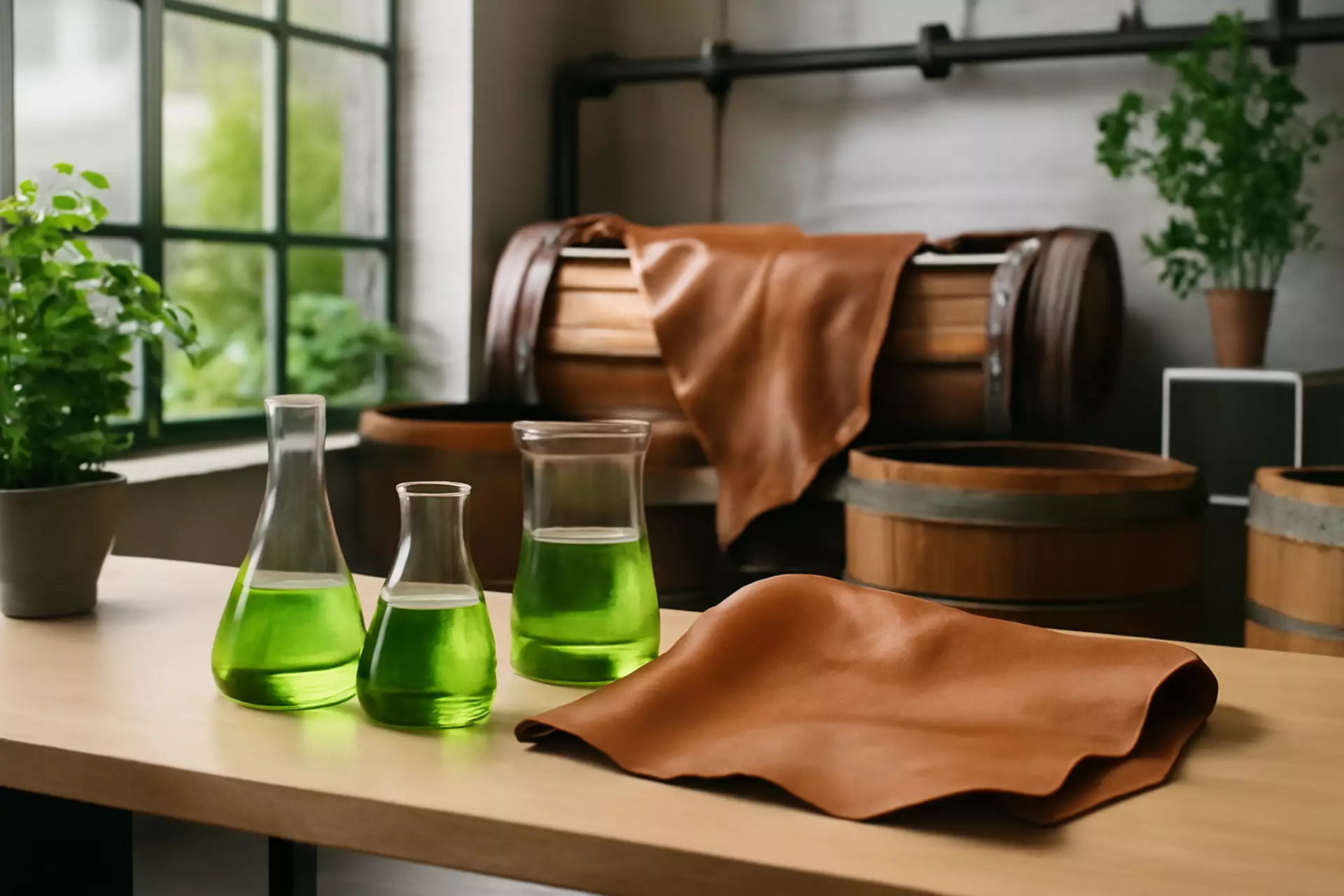
Vegetable-tanned leather is a much more sustainable option compared to chrome-tanned leather. The use of plant-based tannins means less reliance on toxic chemicals, making it safer for the environment and the people working with it. In contrast, chrome tanning uses toxic chromium salts, which can leach into water supplies and soil, posing risks to both human health and the ecosystem.
Durability and Aging
Vegetable-tanned leather is known for its durability. It ages beautifully over time, developing a rich patina that gives it unique character. The natural tannins allow the leather to become more resilient, making it ideal for high-quality leather goods like saddles, handbags, and belts.
On the other hand, chrome-tanned leather is generally softer and more pliable but doesn’t develop the same patina over time. It may lose its firmness and finish with exposure to the elements, and it doesn’t age with the same beauty and longevity as vegetable-tanned leather.
Health Benefits of Plant-Based Products
One of the major health benefits of vegetable-tanned leather is that it is free from harmful chemicals like chromium, which is used in chrome tanning. This makes vegetable-tanned leather a safer choice for consumers, particularly for products worn close to the skin, such as clothing and shoes. It’s an excellent choice for those with sensitive skin, as it’s less likely to cause irritations.
The Tanning Process: Vegetable vs. Chrome Tanning
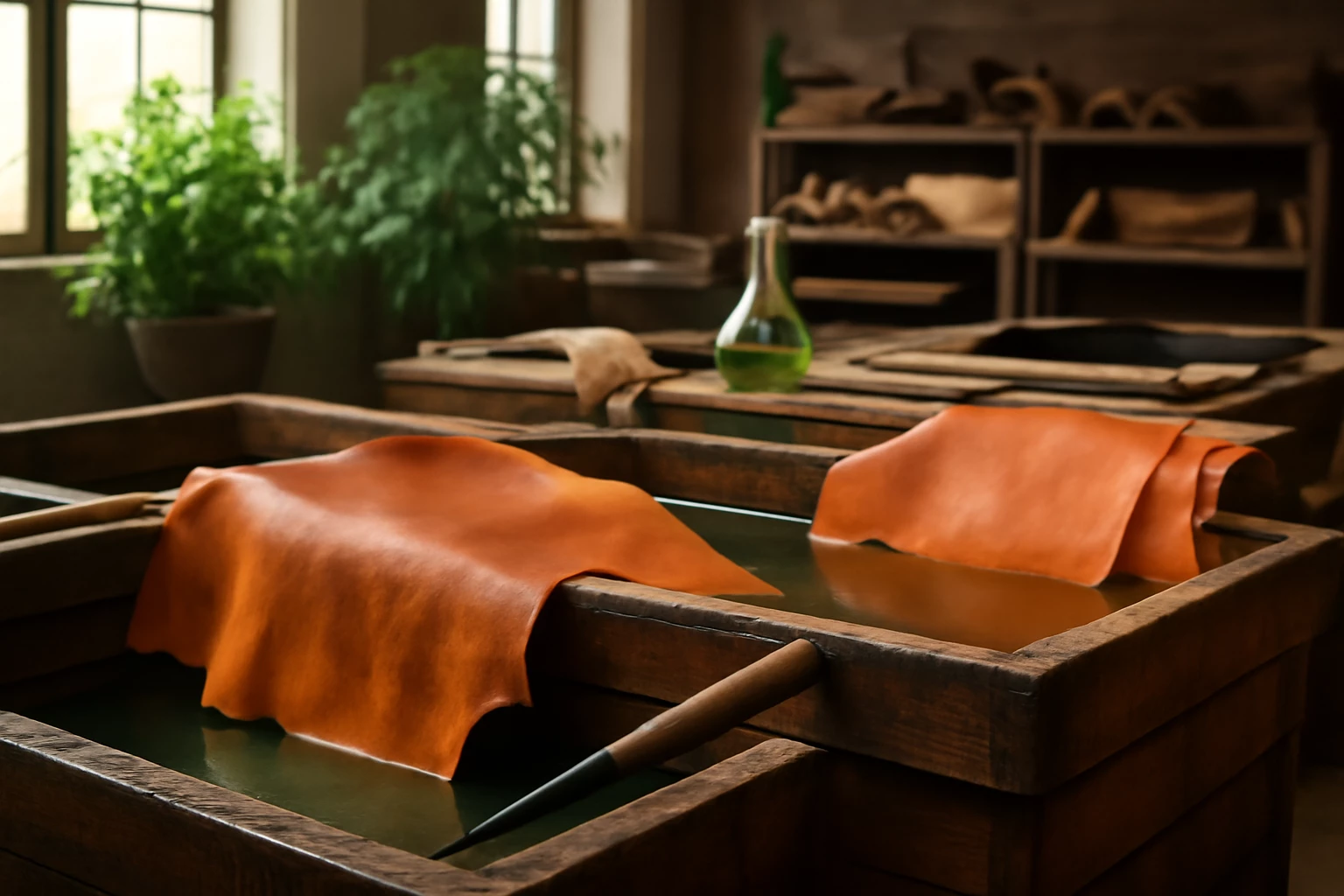
Vegetable tanning is a slow process, taking anywhere from weeks to months depending on the thickness of the leather. The leather is soaked in tannin-rich solutions extracted from plant sources, allowing the tannins to penetrate the leather fibers over time.
In contrast, chrome tanning uses chromium salts to treat leather quickly in just a few days, producing softer and more flexible leather. However, this speed comes at the expense of the environment, as chromium salts can be toxic and wasteful.
Ideal Uses for Vegetable-Tanned Leather
Vegetable-tanned leather is perfect for luxury leather goods such as belts, saddles, and bags. Its natural look and feel make it a top choice for items that require durability and beauty, such as furniture or high-end accessories. Additionally, the leather’s aging process means that the items will only improve with time, becoming more personalized and unique.
Chrome-tanned leather is ideal for products that require more flexibility and uniformity—such as automotive interiors, sports equipment, and mass-market bags.
Conclusion: Making the Sustainable Choice
The future of leather production is shifting towards more sustainable practices, with vegetable-tanned leather leading the way. By choosing vegetable tanning, you are not only investing in long-lasting, beautiful leather but also supporting a greener planet. At MagmaChemicals, we are committed to providing eco-friendly solutions that help the leather industry move towards a more sustainable future.