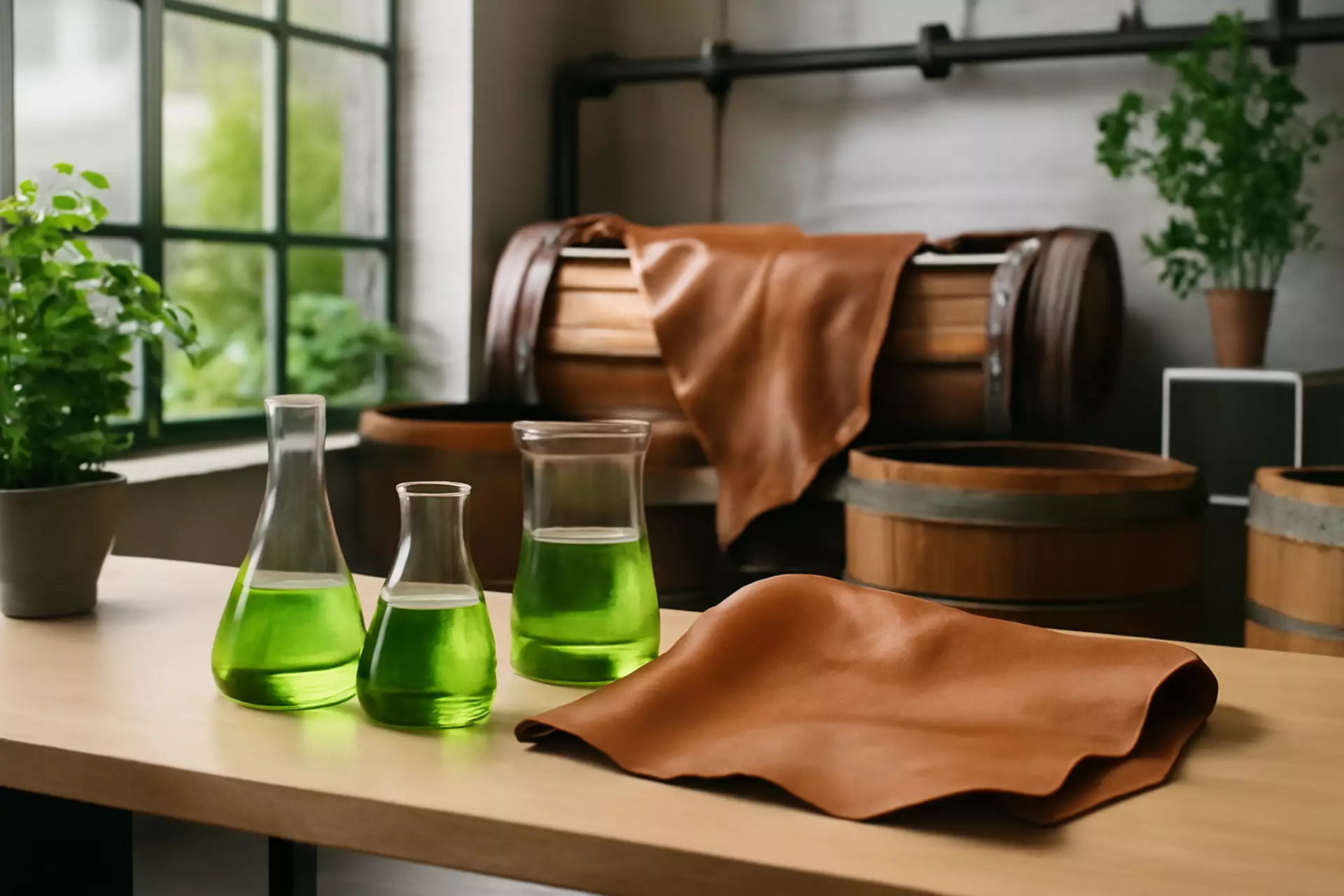
Vegetable tanning is a time-honored tradition that dates back thousands of years, and it remains a preferred method for producing high-quality leather goods today. But what exactly makes vegetable tanning the best choice for leather artisans? In this blog, we’ll explore the science behind vegetable tanning, its chemical processes, and why artisans around the world choose it for their handcrafted leather goods.
What Is Vegetable Tanning?
Vegetable tanning is a process that uses plant-based tannins to treat leather, turning raw hides into durable, supple leather. The tannins, which are found in the bark, wood, and fruits of various plants, bind to the collagen fibers in the hide, making it more stable and resistant to environmental factors like water and light.
Unlike chrome tanning, which uses synthetic chemicals like chromium salts, vegetable tanning is more natural, sustainable, and safer for the environment. It is a slow and meticulous process that takes anywhere from weeks to months to complete, resulting in leather that develops unique characteristics over time.
The Chemistry Behind Vegetable Tanning
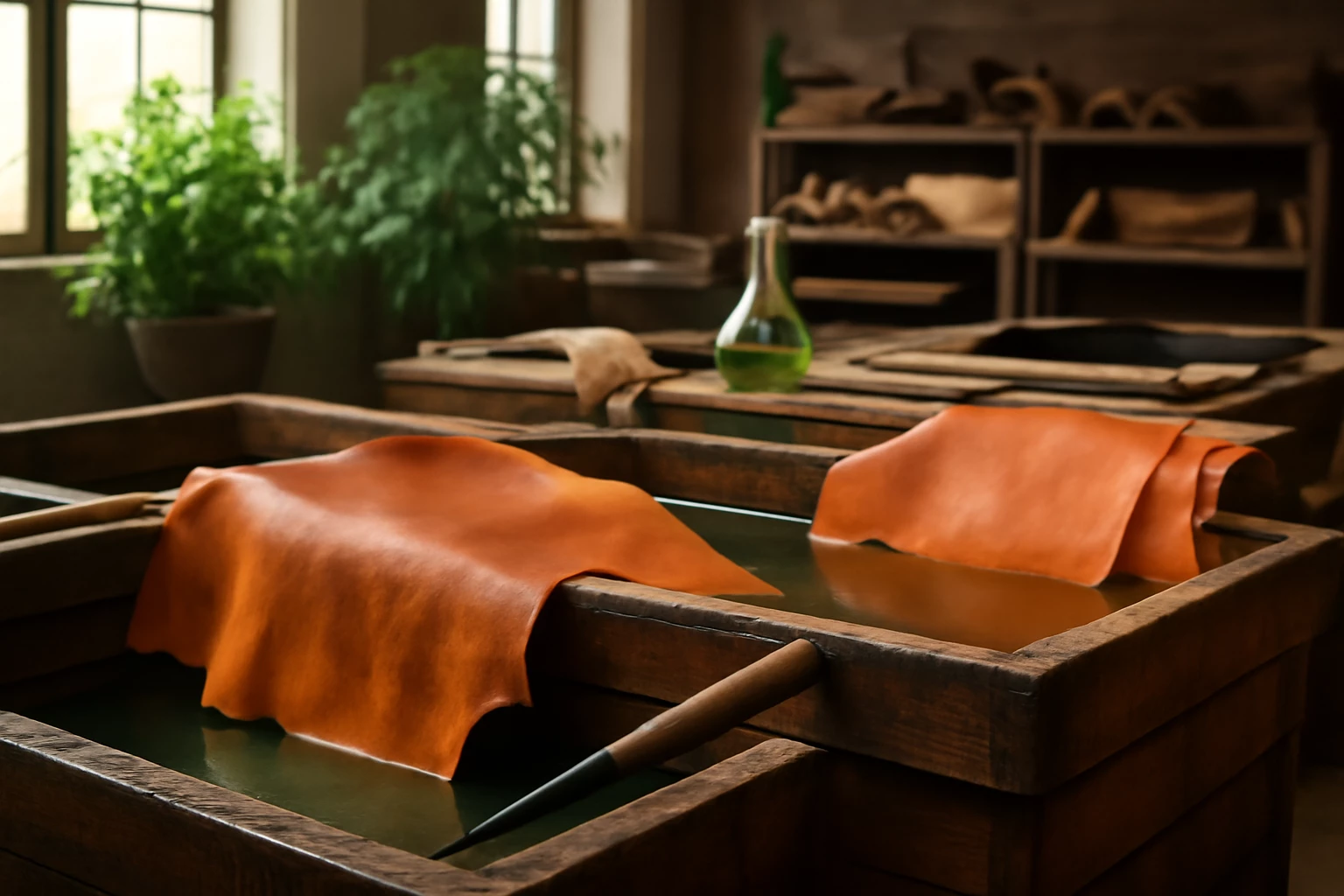
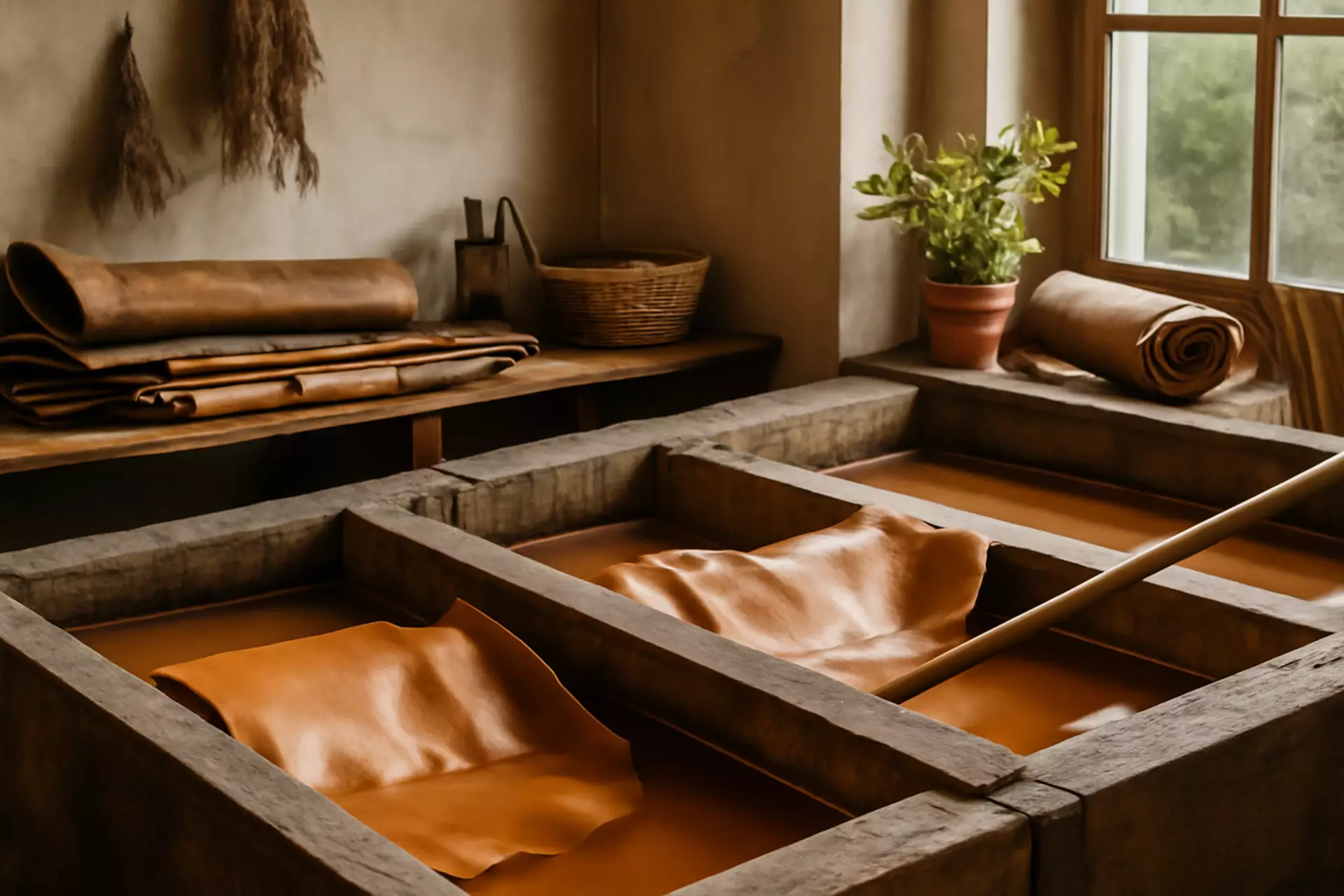
The process of vegetable tanning involves soaking leather in tannin-rich solutions extracted from plant materials. As the leather is immersed in the solution, the tannins bond with the collagen in the hide, slowly transforming it into durable, long-lasting leather.
Unlike chrome tanning, which is a much faster process, vegetable tanning requires patience and careful attention to detail. The result is leather that has a natural, organic texture and develops a beautiful patina as it ages, something that chrome-tanned leather cannot replicate.
The Benefits of Vegetable-Tanned Leather for Artisans
For leather artisans, vegetable-tanned leather offers several distinct advantages. The natural process of vegetable tanning allows artisans to work with a material that is both durable and versatile, making it suitable for a wide range of leather goods, from luxury handbags to saddles and footwear.
In addition to its strength and durability, vegetable-tanned leather offers a natural, unique finish that enhances with age. As the leather ages, it becomes more supple, acquiring a rich patina that deepens over time—making each piece unique and giving it a character that cannot be replicated by other tanning methods.
Why Artisans Prefer Vegetable Tanning
Artisans who specialize in high-quality leather goods often prefer vegetable tanning for its authenticity, sustainability, and craftsmanship. Vegetable-tanned leather offers a connection to traditional leatherworking techniques, and it provides artisans with a canvas that allows them to create truly one-of-a-kind products.
The slow and methodical process of vegetable tanning also allows artisans to have more control over the final product. The leather can be customized in terms of texture, color, and finish, providing a higher degree of creative freedom.
How MagmaChemicals Enhances the Vegetable Tanning Process
At MagmaChemicals, we provide a range of eco-friendly chemicals that enhance the vegetable tanning process. Our products are designed to optimize the tanning procedure, ensuring that the leather is not only strong but also safe and environmentally friendly.
Our chemicals work in synergy with natural tannins to improve the leather’s overall quality, ensuring consistency and durability in the final product. We support artisans by providing high-quality, sustainable solutions that enhance their craftsmanship and the leather’s natural beauty.
Conclusion: Why Vegetable Tanning is the Artisan’s Choice
The science behind vegetable tanning shows that it’s the best choice for producing high-quality leather goods. The natural process and environmental benefits make it a preferred choice for leather artisans who value authenticity and craftsmanship. With MagmaChemicals’ support, artisans can enhance their work while contributing to a more sustainable leather industry.